
Hair Loss · Physician supervised
Hair loss is treatable. It is also a race against time.
Follicles that have already closed can’t be reopened — but the ones still working can be protected, and thinning hair can be thickened. The earlier you start, the more you keep. A physician reviews your pattern and history, then builds a regimen around what’s actually driving it.
Minoxidil
The regrowth workhorse
You’ve seen this one in every drugstore aisle. Minoxidil improves blood flow to your follicles and wakes up hairs that had gone dormant, so more of your scalp is actively growing at once.
Don’t panic if you shed a little more in the first few weeks — that’s old hair making room for new. Real change shows up somewhere around month three to six. It keeps working as long as you keep using it, so think of it as a habit rather than a course you finish.
Finasteride
For male pattern loss
If minoxidil grows hair, finasteride is what keeps you from losing it. Male pattern balding is driven by a hormone called DHT that slowly shrinks your follicles until they give up, and finasteride blocks it — which makes this the only option here that goes after the actual cause.
Most men either hold steady or gain ground back. It comes as a daily pill, or as a topical if you’d rather keep it on your scalp instead of in your system. Either way, the sooner you start, the more you keep.
Tretinoin
Makes the rest work harder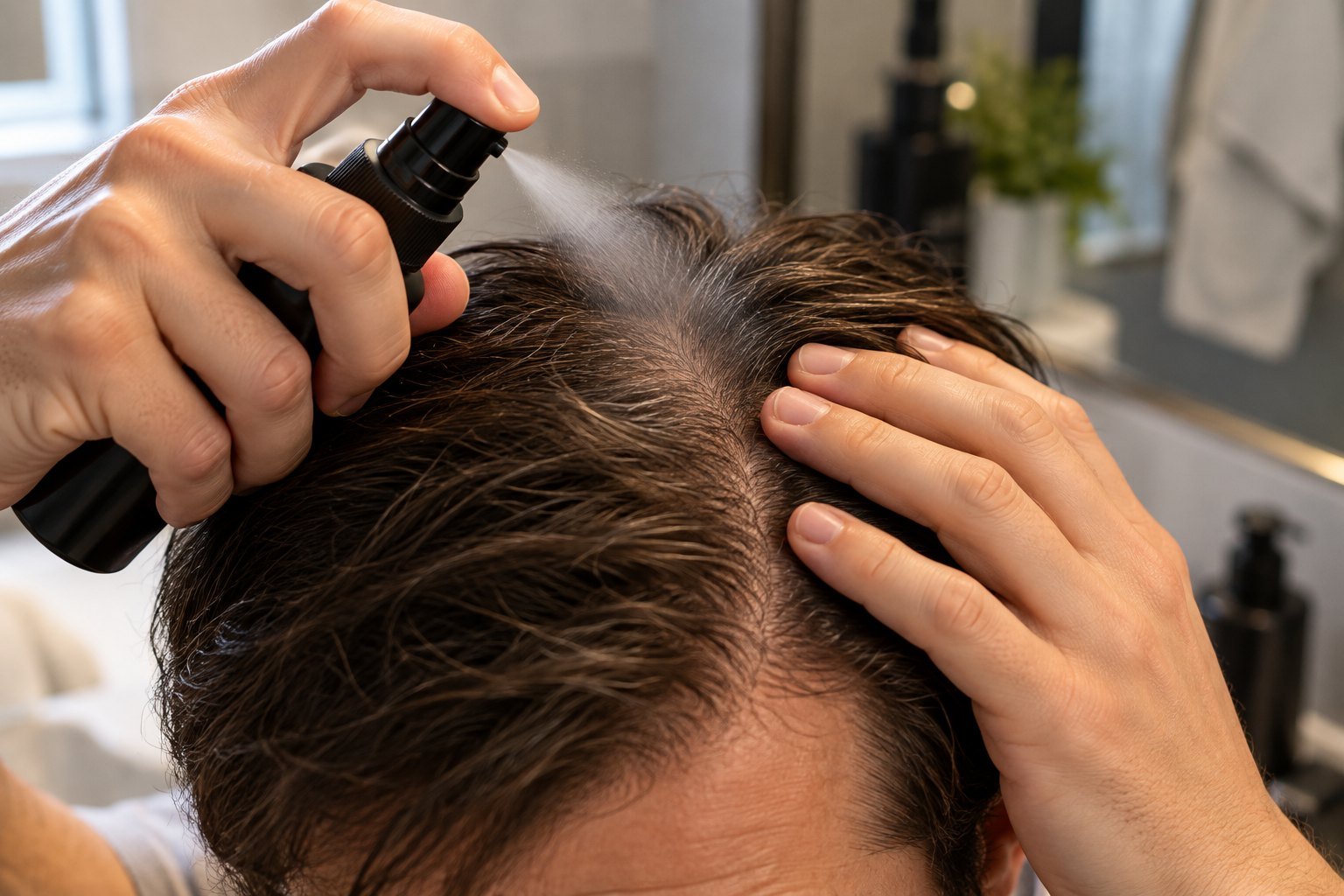
Tretinoin doesn’t grow hair, so why is it in your bottle? Because it clears away the dead surface layer of the scalp, which means more of your minoxidil actually reaches the follicle instead of sitting on top.
Studies pairing the two beat minoxidil used alone. It also keeps the flaking and buildup down, which helps everything absorb better. You’ll almost never see it prescribed by itself — it’s in there to make the rest work harder.
Biotin
Support, not a solution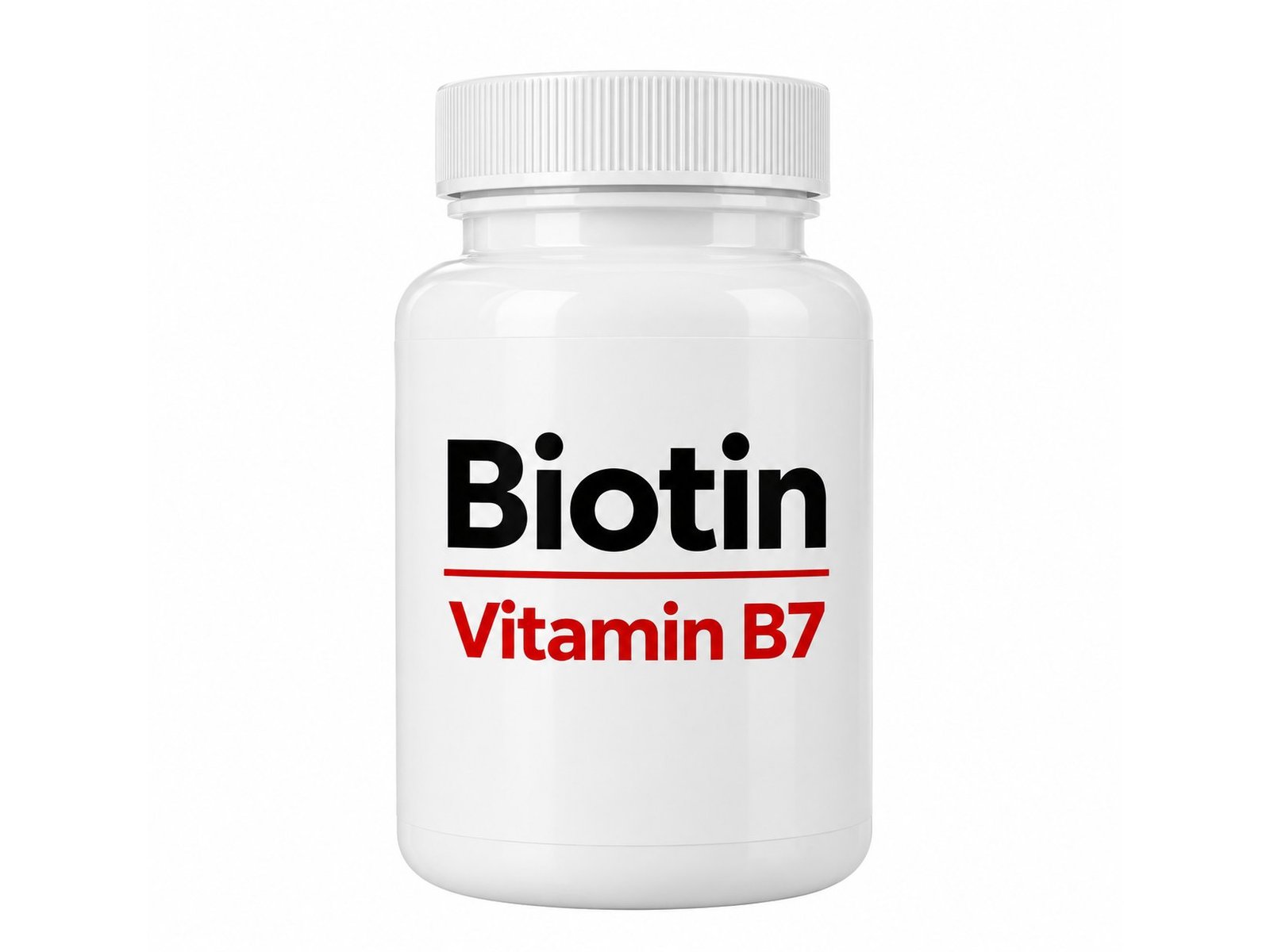
Let’s be straight about this one. Biotin is in every hair-skin-and-nails gummy on the shelf, and if you’re genuinely low on it, that really can cause shedding — but actual deficiency is uncommon, and taking more than your body needs won’t grow hair that wasn’t coming anyway.
It’s a helper inside a bigger plan, not a plan by itself. Where it earns its spot is filling a real gap, especially if your diet has been rough. One thing worth knowing: it can skew thyroid and heart blood tests, so mention it before you get labs drawn.
Shedding on GLP-1s
If weight loss cost you hair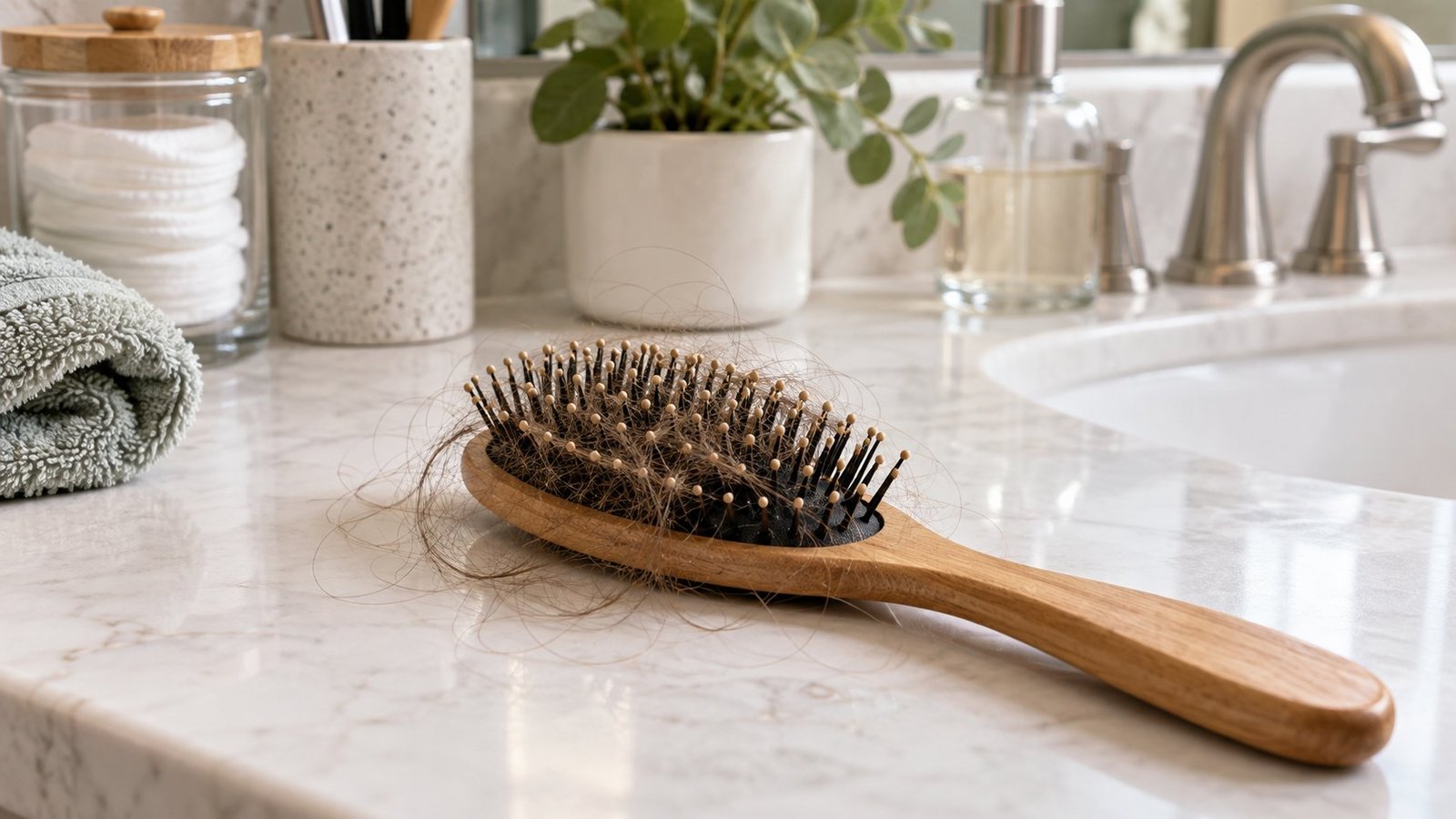
Started shedding a few months into your weight loss shot? You’re not imagining it, and nothing is broken. Losing weight quickly is a shock to the system, and it pushes a big batch of follicles into their resting phase all at once — then they let go together, two or three months later.
The same thing happens after surgery or having a baby, and it grows back on its own. The reason to treat it is timing: it hits right when everything else is finally going well, and it’s one of the top reasons people quit a program that’s working.
Copper Revive Spray
GHK-Cu with zinc-thymulin, for the scalp itself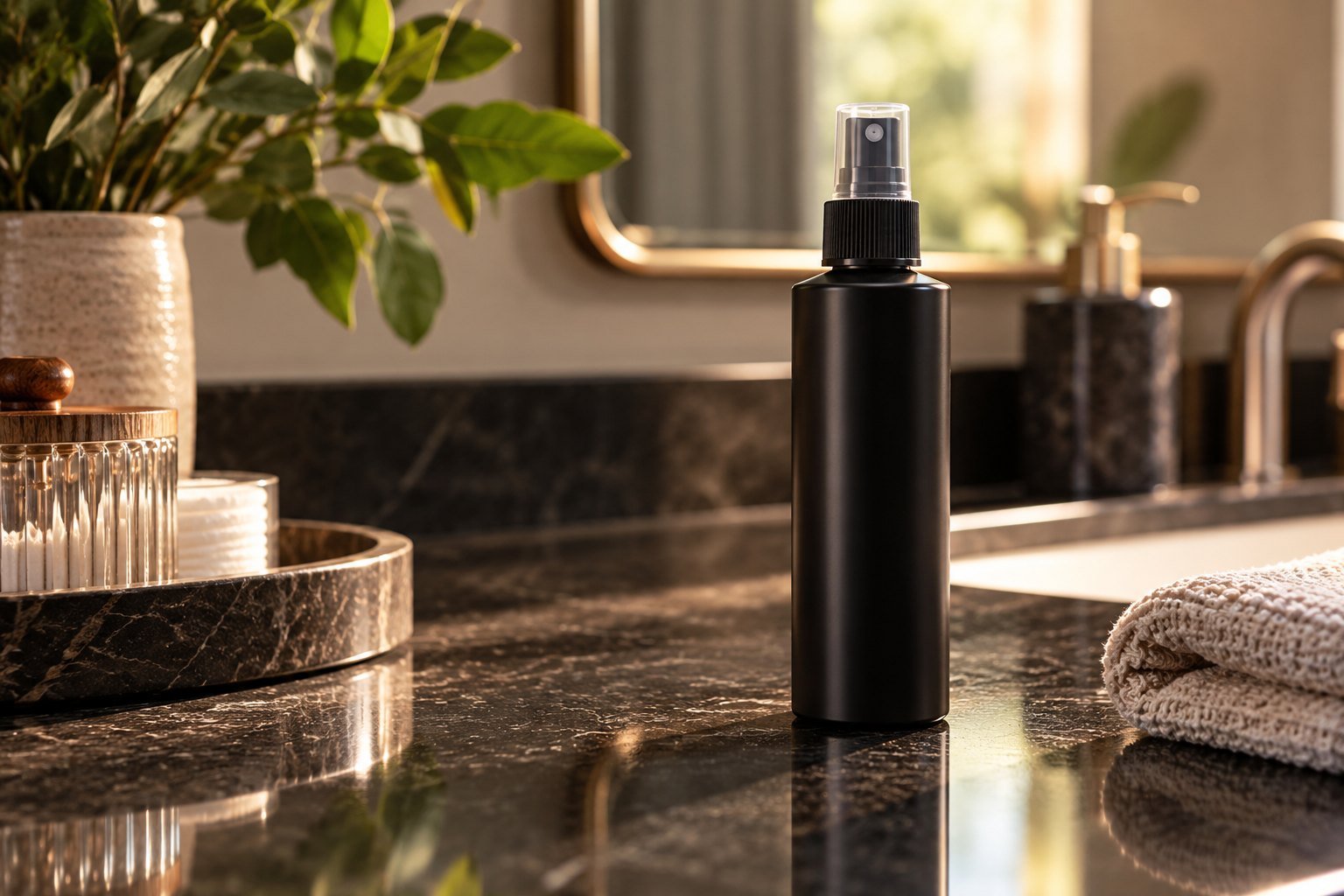
GHK-Cu is a copper peptide your body already makes — levels are highest when you’re young and fall off with age. It’s been studied for its role in stimulating hair follicles and improving the health of the scalp around them, which is a different job from what minoxidil or finasteride do.
Sprayed on the scalp — Reclaim pairs it with zinc-thymulin in Copper Revive Spray — it’s thought to support the growth cycle by encouraging follicle activity and improving the environment the hair is growing in. Think of it as an adjunct: it earns its place alongside a physician-directed regimen, not instead of one. As with any compounded therapy, results vary, and it should be used as part of a plan your provider builds with you.
Ideal for GLP-1 related hair loss.
Available in 22 states at launch. We add states as licensing clears. If you are outside the states we serve we will tell you before you complete an intake, and nothing is charged.
Which one is right
for you?
- Thinning at the crown, receding at the templesFinasteride and minoxidil together. One protects what you have, the other thickens what’s left. Neither does the other’s job.
- You want results without a daily pillA topical combination. Finasteride, minoxidil and tretinoin in one solution keeps the exposure on your scalp.
- The hairline is the part that bothers youGo topical, and add tretinoin. The hairline is where minoxidil tends to disappoint, and tretinoin drives more of the dose into the follicle instead of leaving it on the surface.
- Shedding started after rapid weight lossUsually temporary. Support it through the window rather than committing to a lifelong regimen.
- Patchy, sudden, or with scalp symptomsThat isn’t pattern loss. Round patches, burning, scaling, or scarring point somewhere else entirely and need a real evaluation first.
Every month you wait is hair you don’t get back.
Build your plan, complete a short intake reviewed by a licensed physician, and if treatment is appropriate, your regimen ships to your door. If it isn’t appropriate, we’ll tell you that too.
Build your planThis page is for general education and is not medical advice. Prescription treatments are available only after evaluation by a licensed physician, and are not appropriate for everyone. Individual results vary, and no treatment restores hair in every patient.
Finasteride must not be used during pregnancy or by those who may become pregnant. Finasteride lowers PSA levels — tell any physician ordering prostate screening that you are taking it. Biotin can interfere with thyroid and cardiac laboratory testing.
Certain treatments described here are compounded preparations or are prescribed for uses other than those approved by the FDA. Compounded medications are not FDA-approved and are not reviewed by the FDA for safety, effectiveness, or manufacturing quality. Your physician will review this with you before prescribing.